From mission to momentum
By the time we met Tim Lee, founder of Utilitarian, he had already made quite a journey, both literally and figuratively. Originally from Australia, he was building a European venture with a clear ambition: to make the circular economy work for retail brands, right down to the shop floor.
Where most take-back schemes stop at an anonymous drop-off bin, Utilitarian wanted more: customer interaction, actionable data, and a tangible contribution to sustainability goals. Think of customers returning shoes or electronics in-store, having them recognized by AI, receiving a reward, and enabling brands to prove what actually happens with the returned items.
The timing was perfect. European regulation such as EPR, CSRD, and the Digital Product Passport (DPP) is putting increasing pressure on brands to recycle and report. Utilitarian already had strong partners (including FastFeetGrinded), a clear vision, and was ready to build. The only question was: what was technically feasible, and how fast?
The power of a pivot
No startup follows a straight line. Utilitarian had once started with a broad sustainability app but learned that focus is crucial. So they made the pivot to a clear and urgent problem: making in-store product returns measurable and scalable.
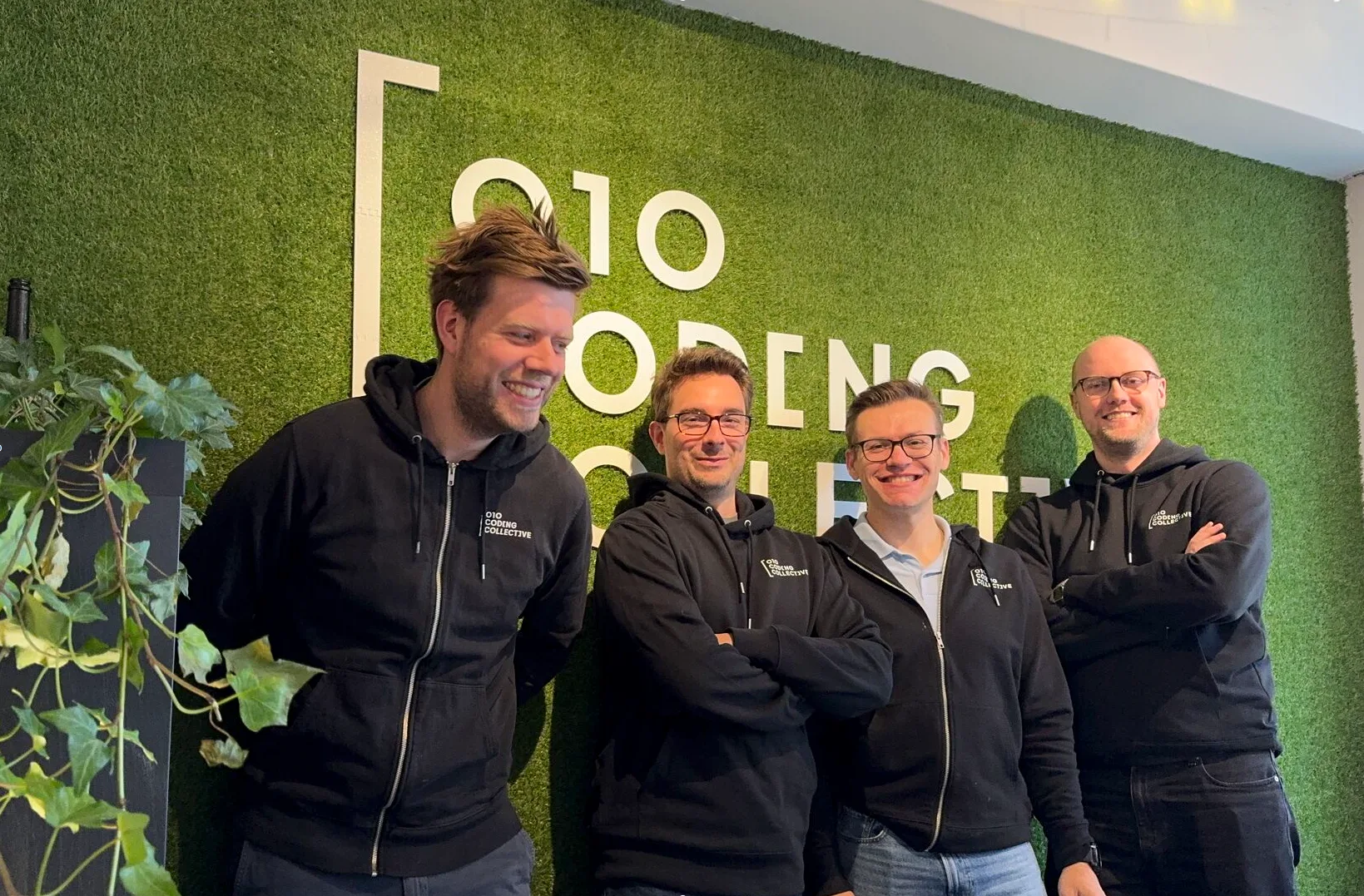
Making such a choice takes courage. You have to let go of assumptions, sharpen your focus, and show your plan before it’s perfect. That’s where we came in. At 010 Coding Collective, we work in fast, collaborative loops - starting with a working concept and improving it through direct feedback and use.
From prototype to platform
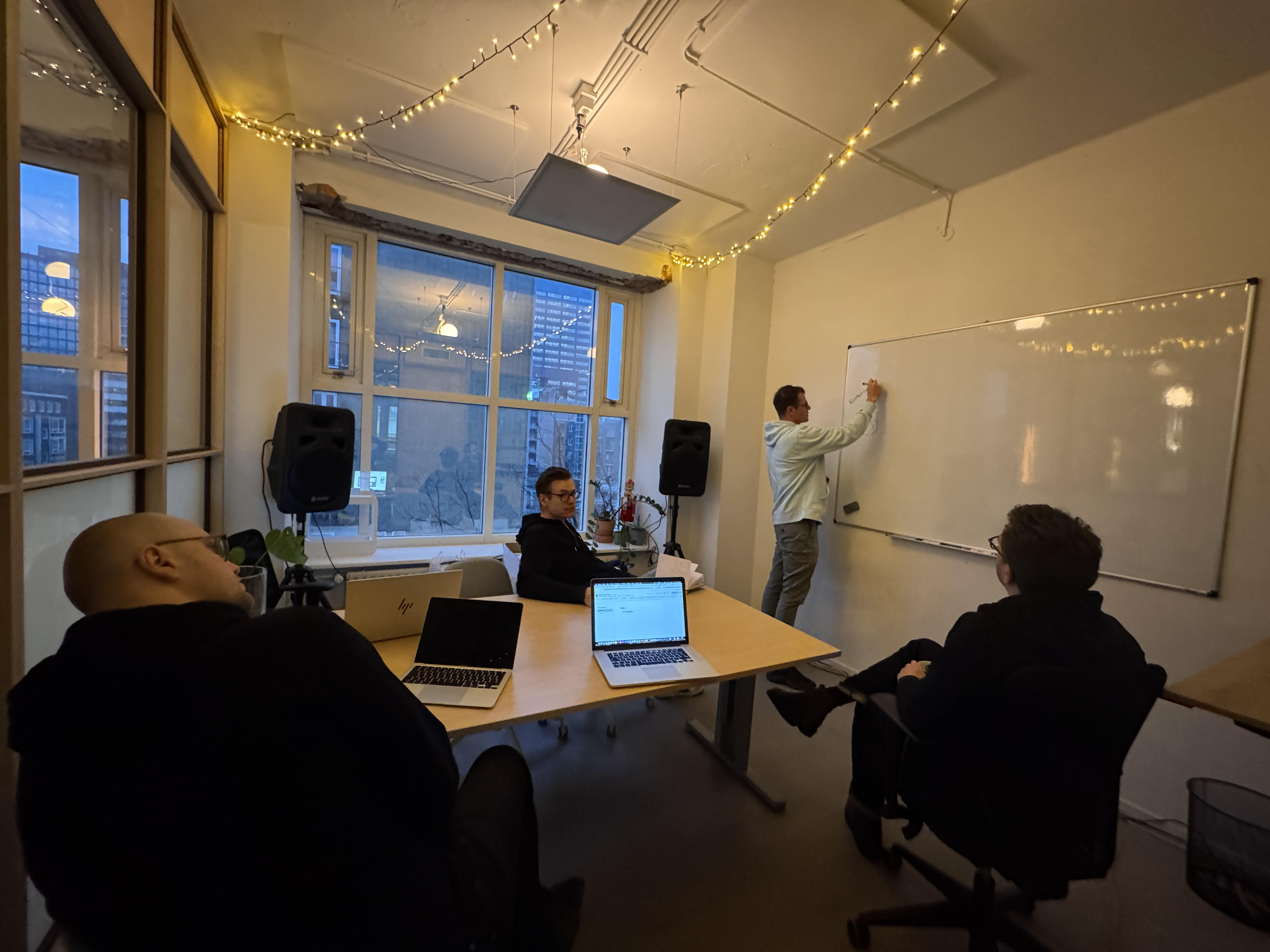
Together with Tim, we moved from idea to working prototype in a single day and used that first version as a starting point for real-world learning. That first version was the beginning of an iterative process: each session brought new insights, sharper priorities, and a stronger product.
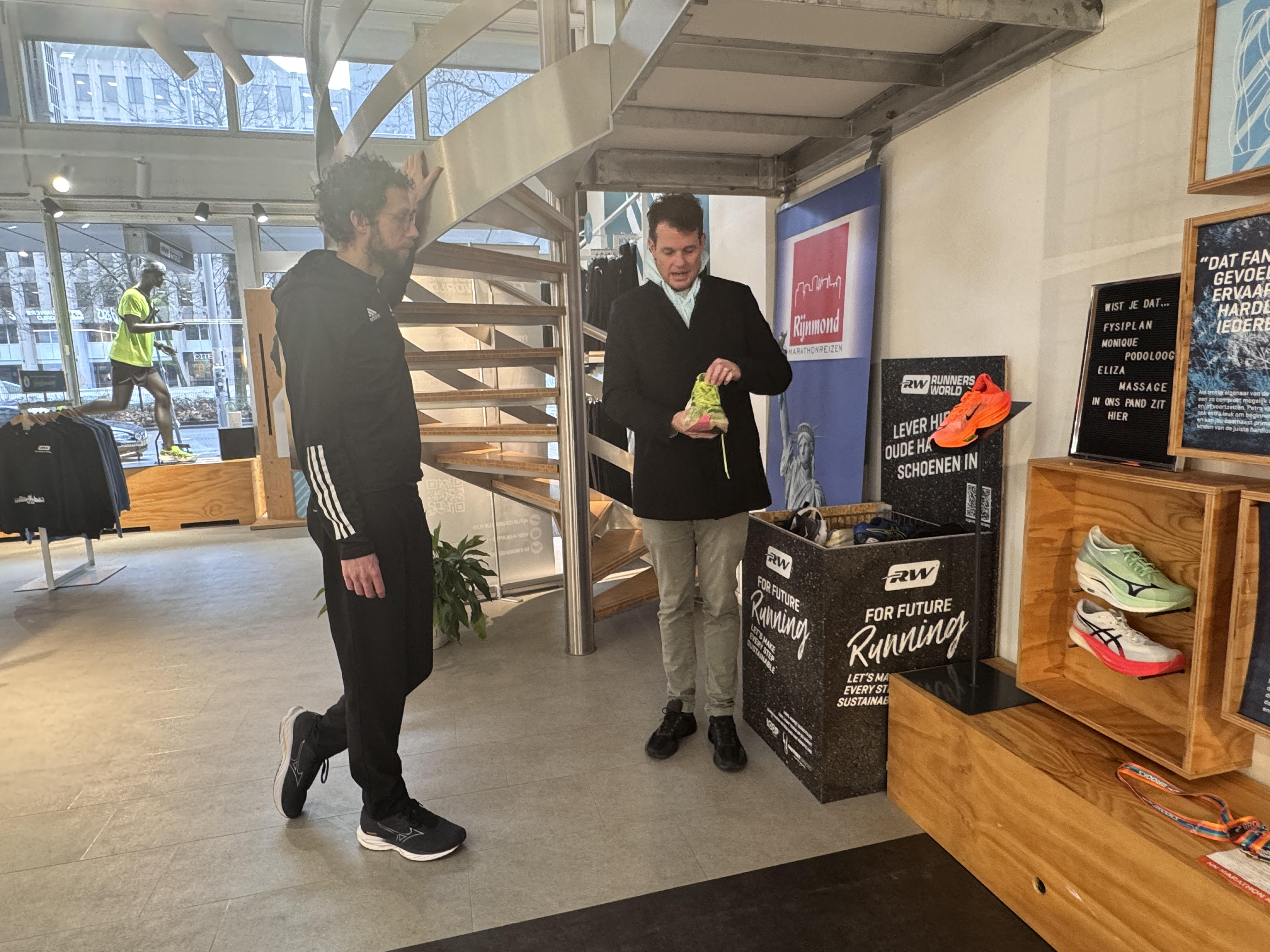
During the first session, we walked with Tim to a nearby Runnersworld store to observe how returns worked on the ground.
“Building technology without understanding how it’s actually used? That’s not how we work.”
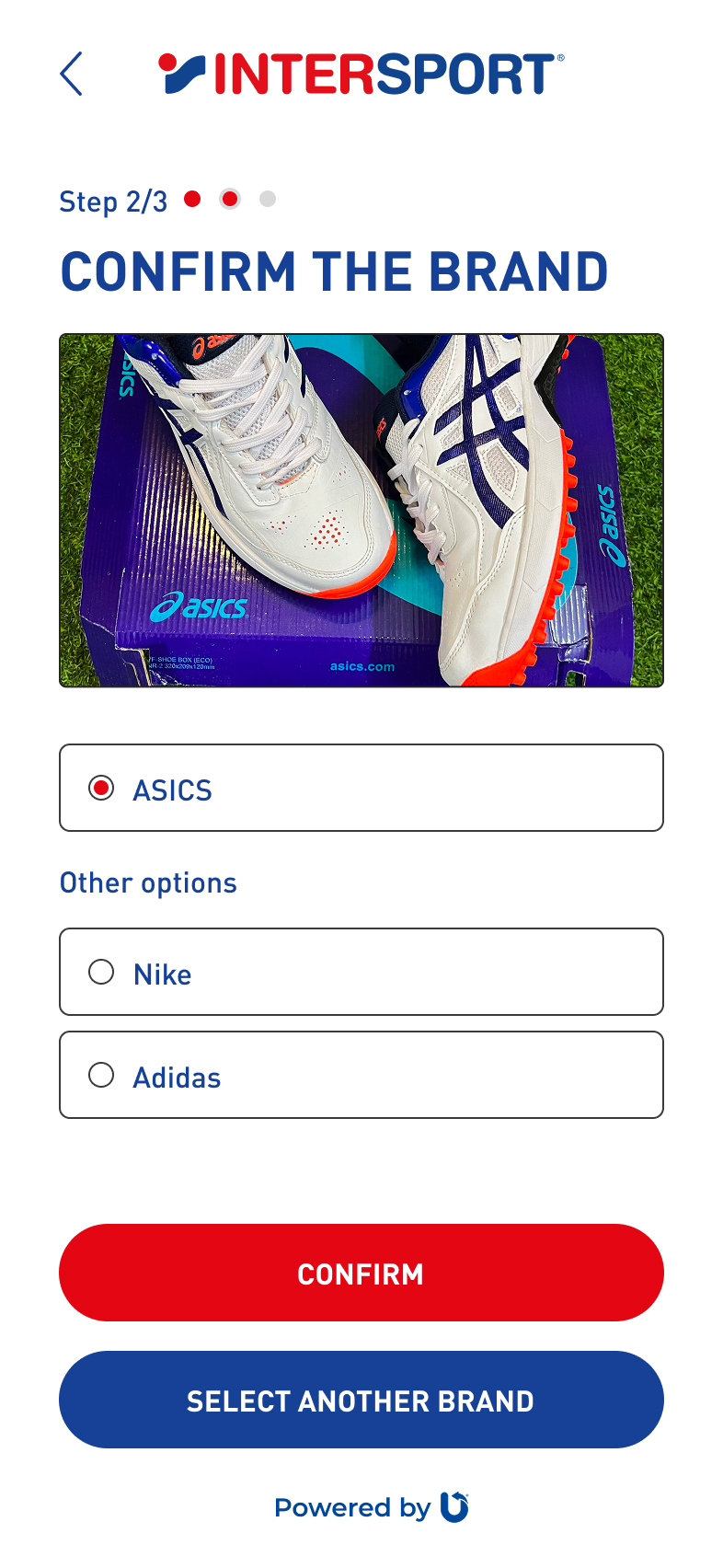
As pilots followed in INTERSPORT and Runnersworld, we focused on what was needed next: secure data processing, automated email flows to reward customers, support for multiple brands, and integration into Utilitarian’s AWS infrastructure. We also made sure the platform could be deployed as a white-label solution so each store could maintain its own look & feel without duplicating effort.
The result is a platform that grew through real conversations, real usage, and real decisions, built to run in stores, adapt to change, and keep evolving.
Super agile. But also robust.
We’re often asked to deliver that very first version, because someone has an investor demo at the end of the week, or needs something usable for spontaneous customer conversations. And we love doing that. But just as important is what comes next.
With Utilitarian, each version brought sharper focus and stronger foundations. It was about learning quickly, adapting confidently, and building a platform that could grow in real-world conditions. That’s what agility means to us: speed, with staying power.
Key outcomes
- Fast validation: From concept to working prototype in a single day
- Iterative growth: Platform evolved through continuous feedback and real-world use
- Scalable infrastructure: White-label solution integrated with AWS, supporting multiple retail brands
- Live in stores: Active pilots in INTERSPORT and Runnersworld locations
- Customer engagement: Automated email flows and analytics driving circularity goals
Lessons learned
-
Learning fast beats launching fast
We started with a working version in a single day and improved it based on real use, not assumptions. -
Understand how something is used first
Before we built, we walked the shop floor. Context determines whether technology holds up in practice. -
Sharp choices make the difference
No training our own AI model, no over-engineering the architecture. Deliberately leaving things out let us validate faster. -
Speed and solidity aren’t mutually exclusive
Every iteration brought sharper focus and a stronger foundation, built to keep running on the shop floor.